Understanding Autism
Published: 16 January 2026
What is Autism?
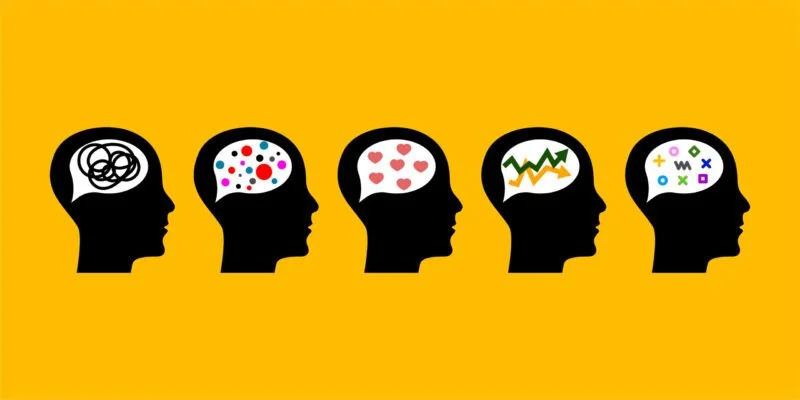
Autism Spectrum Disorder (ASD) is a neurodevelopmental condition that affects how children interact, communicate, and experience the world. Every autistic child is unique, with varying strengths and challenges. Some common traits include:
Difficulty with social interactions and communication
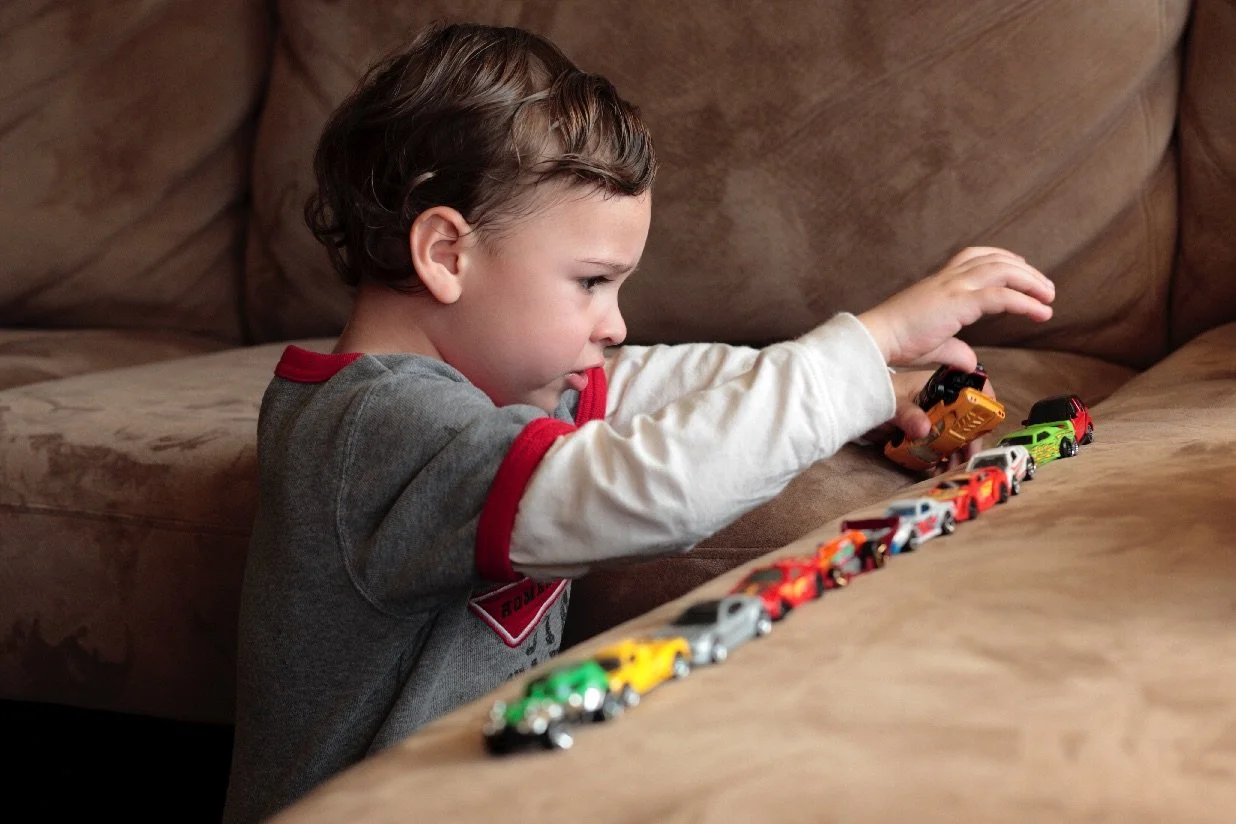
Restricted, repetitive behaviours or interests
Sensory sensitivities or difficulties with sensory integration
Learning and developmental differences
How Does a Speech Pathologist Help?
A speech pathologist can play a key role in supporting autistic children. They help with:
Communication skills: Developing language, gestures, and nonverbal communication
Social skills: Practicing conversations, turn-taking, and understanding social cues
Articulation and speech clarity: Improving speech sounds and intelligibility
Pragmatic language: Understanding language nuances, like tone, context, and humour
AAC (Augmentative and Alternative Communication): Exploring alternative communication methods, like picture communication or devices, if needed.
Speech pathologists work with children on the autism spectrum to:
Identify communication strengths and challenges
Develop individualised goals and strategies
Support social and emotional development
Collaborate with families and educators to ensure consistency
What is Neuro-Affirming Therapy?
Neuro-affirming therapy is a supportive approach which focuses on accepting and valuing an individual's neurodiversity, rather than trying to "fix" or change them. This approach:
Emphasises strengths and abilities
Respects individual differences and needs
Focuses on self-advocacy and self-esteem
Collaborates with families and individuals to set meaningful goals
Neuro-affirming speech pathology might involve:
Using the child’s preferred communication style
Accommodating sensory needs
Focusing on practical and functional skills
Building self-awareness and self-acceptance
By affirming and supporting neurodiversity, speech pathologists can help autistic individuals thrive and reach their full potential! Speech pathology is just one part of their support team. If you have concerns about your child's communication or development, consult a Speech Pathologist or a healthcare professional, such as Paediatrician or Occupational Therapist.
Speech and Growth Clinic is conveniently located in Leichhardt in Sydney’s Inner West.
Useful Links:
https://www.aspect.org.au/ Aspect (Autism Spectrum Australia)
https://www.autismawareness.com.au/ Autism Awareness Australia
https://reframingautism.org.au/ Reframing Autism
Written by Speech Pathologist Dana
Speech and Growth Clinic