

Let’s talk about lisps!
Published: 16 January 2026
What is a lisp?
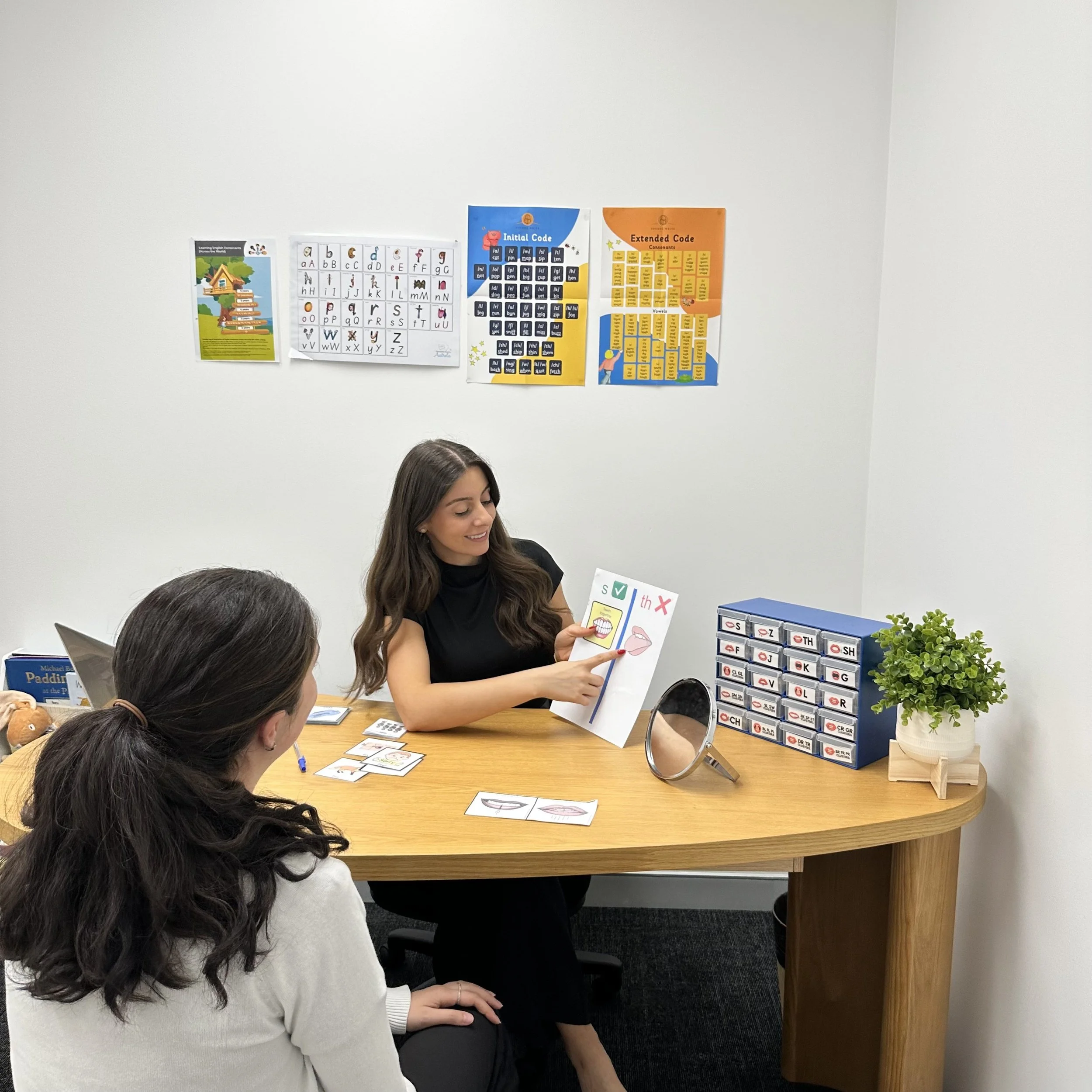
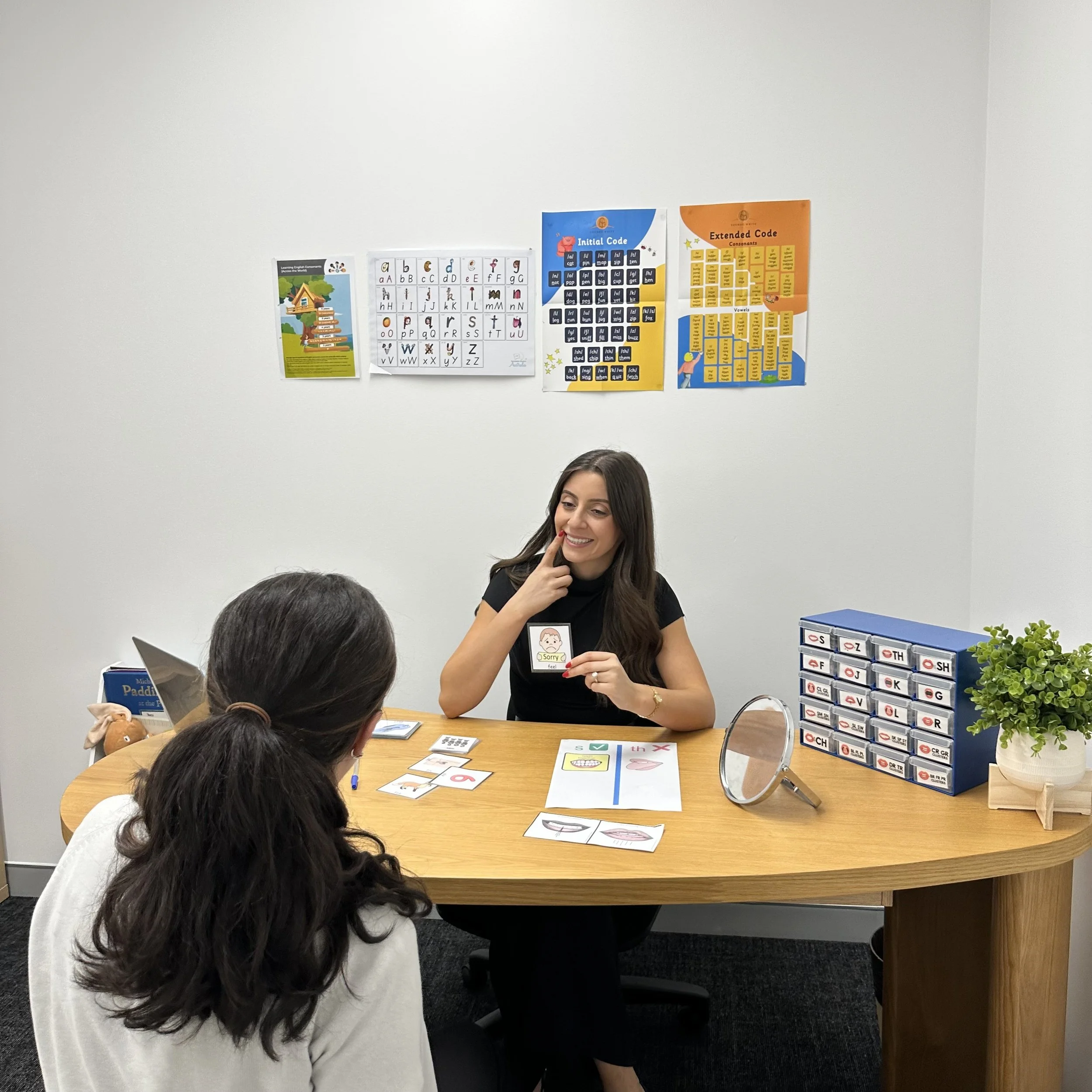
A lisp is a speech articulation disorder that affects the way your child pronounces certain sounds, like "s" and "z". There are four main types of lisps:
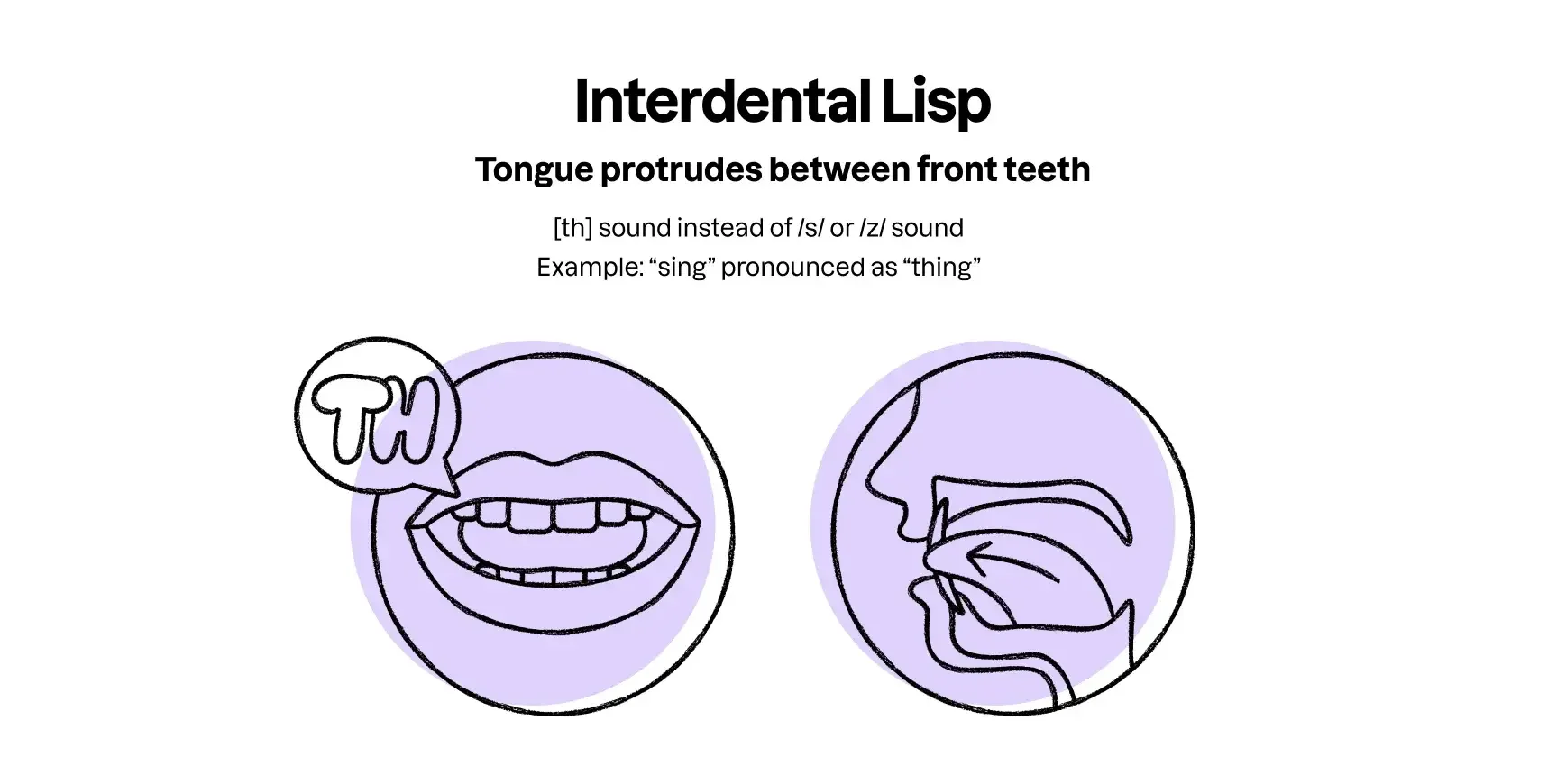
1) Interdental Lisp: The tongue sticks out between the top and bottom front teeth, making a "th" sound instead of "s" or “z”. This is the most common type of lisp.
2) Lateral Lisp: Air escapes over the sides of the tongue, creating a “slushy" or "wet" sound.
3) Dental Lisp: The tongue pushes against the front teeth, making a muffled sound.
4) Palatal Lisp: The tongue touches the roof of the mouth, distorting the "s" or "z" sound.
Causes of a Lisp:
Lisps can be caused by a variety of factors, including:
Incorrect tongue placement
Tongue tie or tongue thrust
Jaw misalignment
Hearing abnormalities
Prolonged dummy (pacifier) use beyond age 2
Thumb-sucking (can also lead to dental issues)
How Does a Speech Pathologist Help?
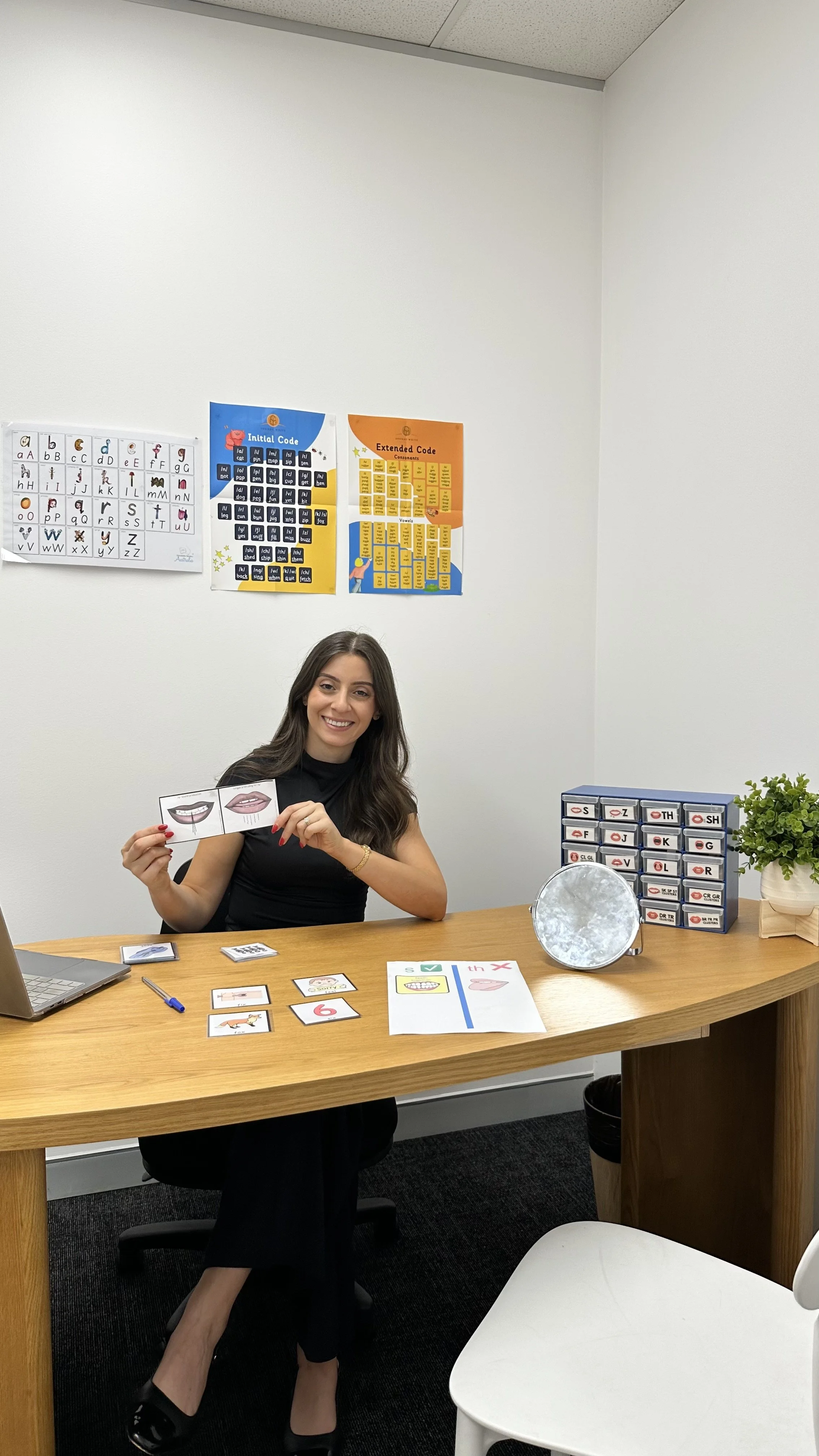
A speech pathologist will work with your child to:
Increase awareness of tongue placement by helping your child understand where their tongue is in their mouth and how to position their tongue correctly
Practice correct pronunciation
Develop new speech habits and patterns in different contexts, like play, conversation or reading
The goal is to make therapy a positive and supportive experience for your child, so they feel motivated to practice and improve their skills!
When should my child start Start Speech Pathology?
It is never too early! Some lisps can resolve on their own, but the ideal time to consult a speech pathologist is around 4-4.5 years old.
Remember, every child is different, and a speech pathologist can help speed things along by providing personalised guidance and support!
Still have questions? Call Speech and Growth Clinic and our friendly Leichhardt therapists are happy to answer any questions. The clinic is conveniently located in Sydney’s Inner West, providing paediatric speech therapy services.
Useful Links:

Written by Speech Pathologist Dana
Speech and Growth Clinic